Hide filters
Filters 0
Order by:
Filters 0
  • Women's Country Walking Shoes - NH150
  • Women's Country Walking Shoes - NH150
  • Women's Country Walking Shoes - NH150
  • Women's Country Walking Shoes - NH150
  • Women's Country Walking Shoes - NH150
  • Women's Country Walking Shoes - NH150
Women's Country Walking Shoes - NH150

QUECHUA

8553556

Women's Country Walking Shoes - NH150

₪120.00
  • Women's Country Walking Shoes - NH150
  • Women's Country Walking Shoes - NH150
  • Women's Country Walking Shoes - NH150
  • Women's Country Walking Shoes - NH150
  • Women's Country Walking Shoes - NH150
  • Women's Country Walking Shoes - NH150
Women's Country Walking Shoes - NH150
Size :
Not available online

Store Availability

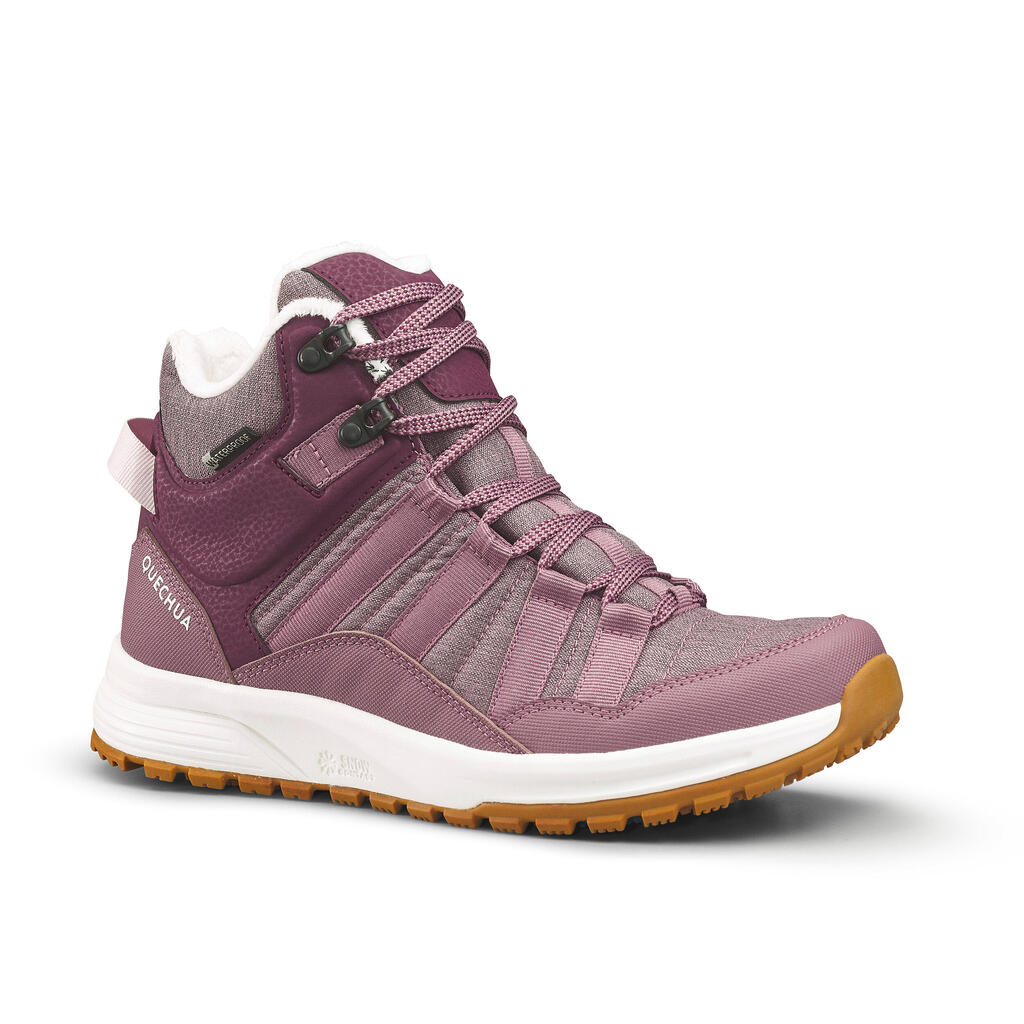
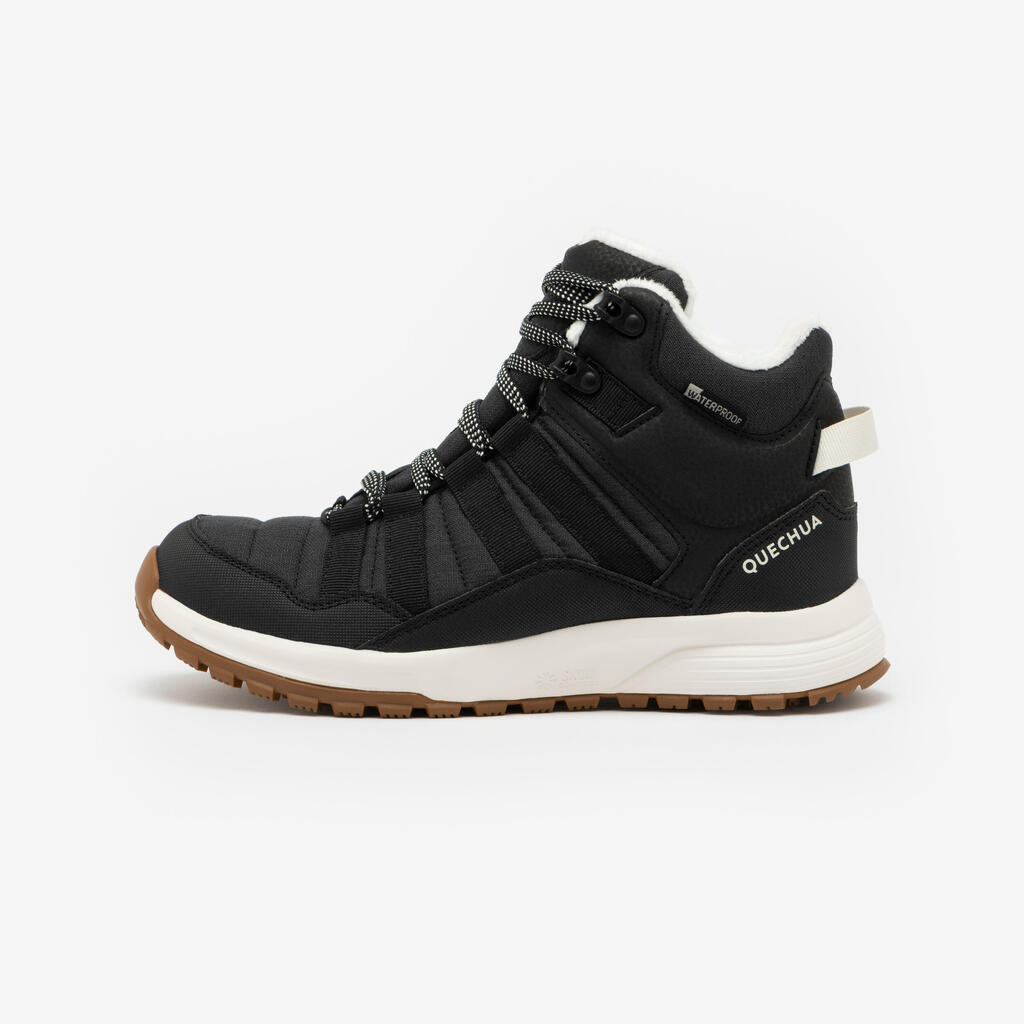
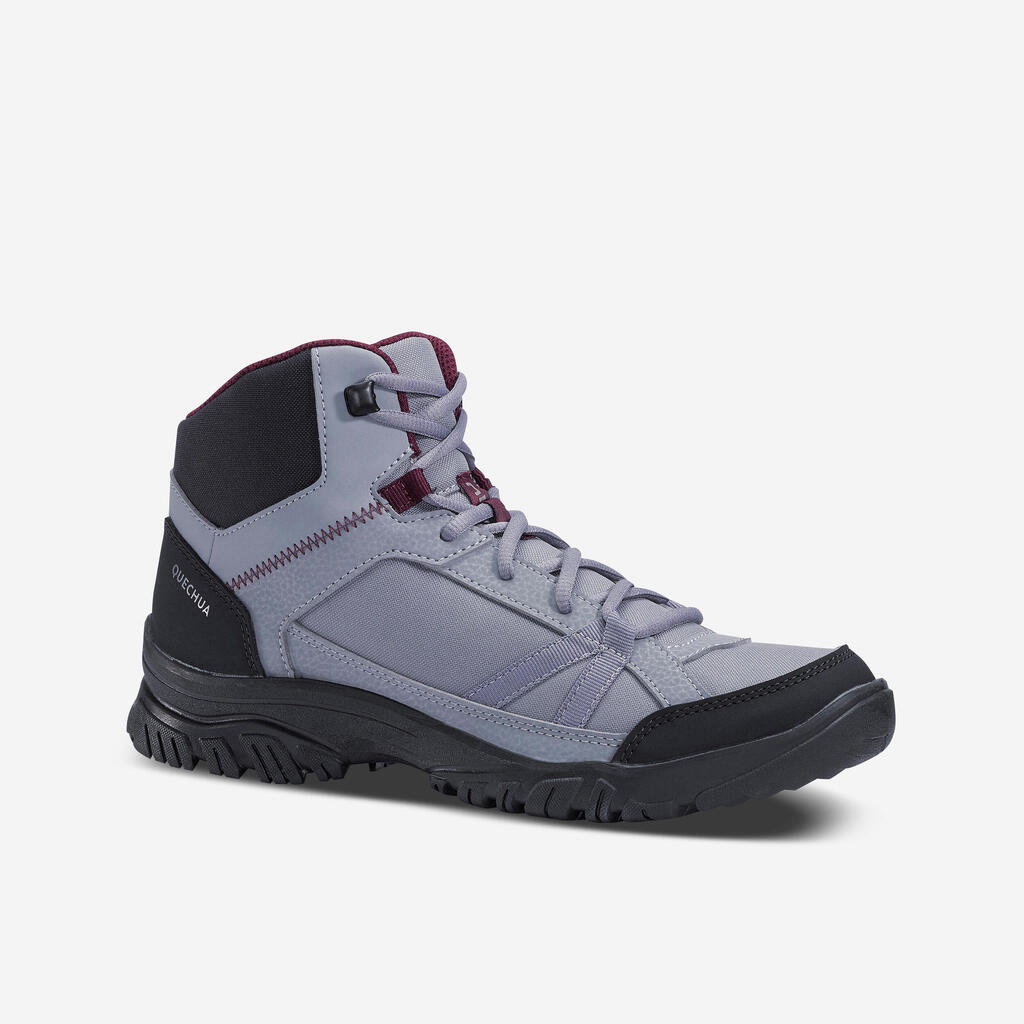
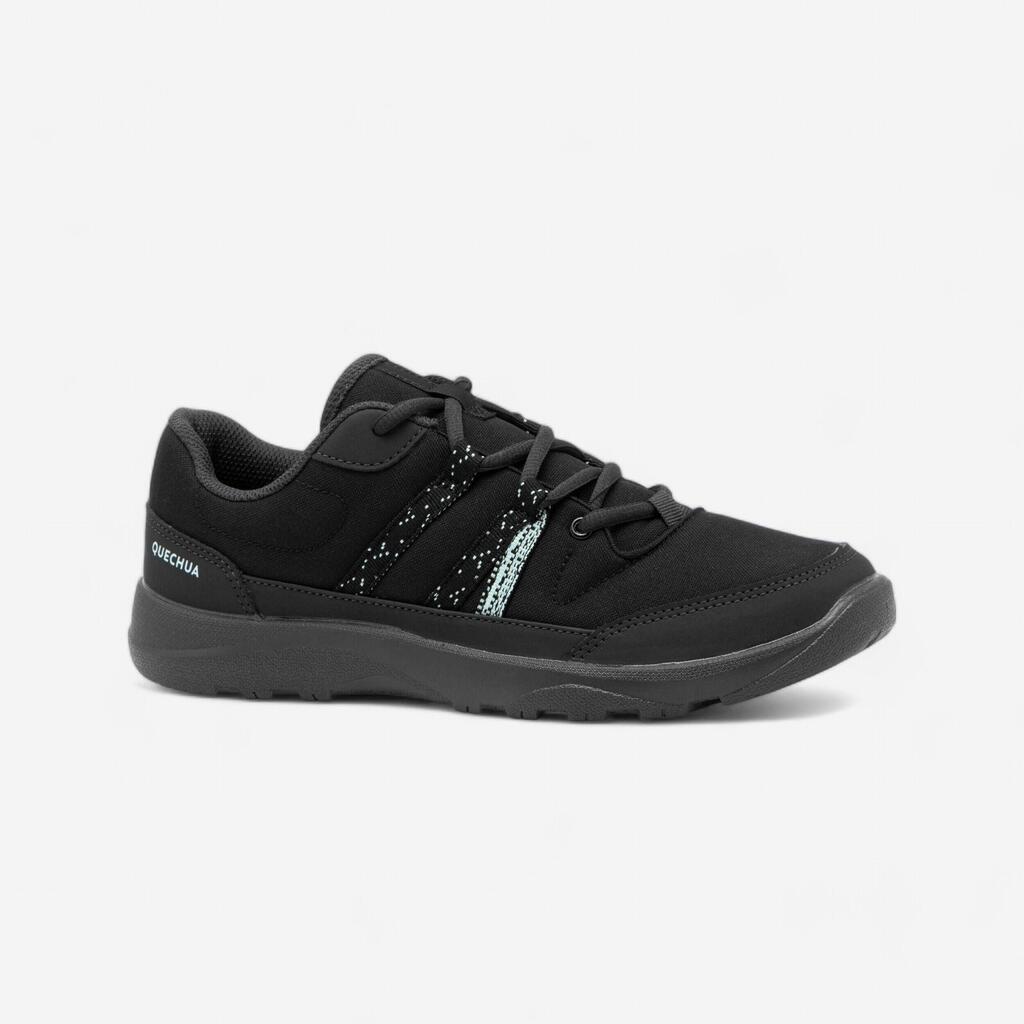
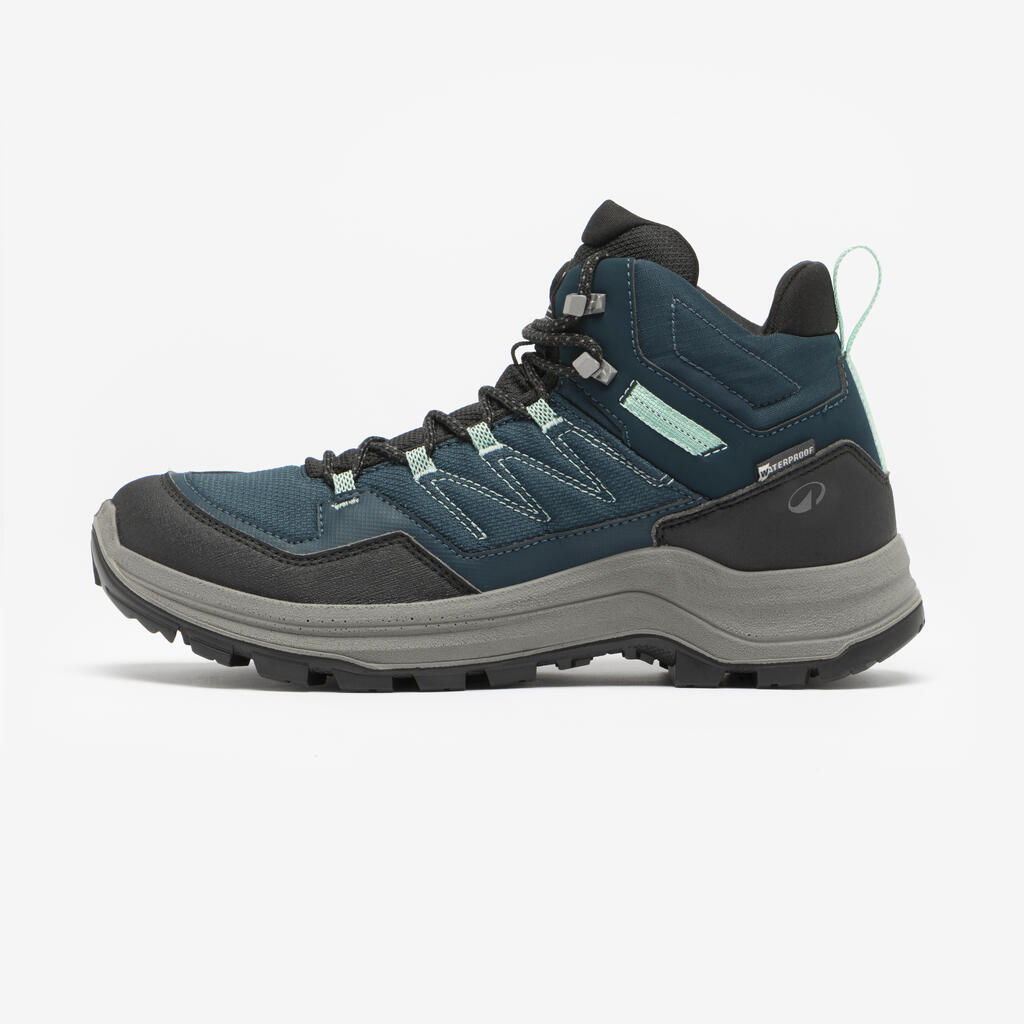
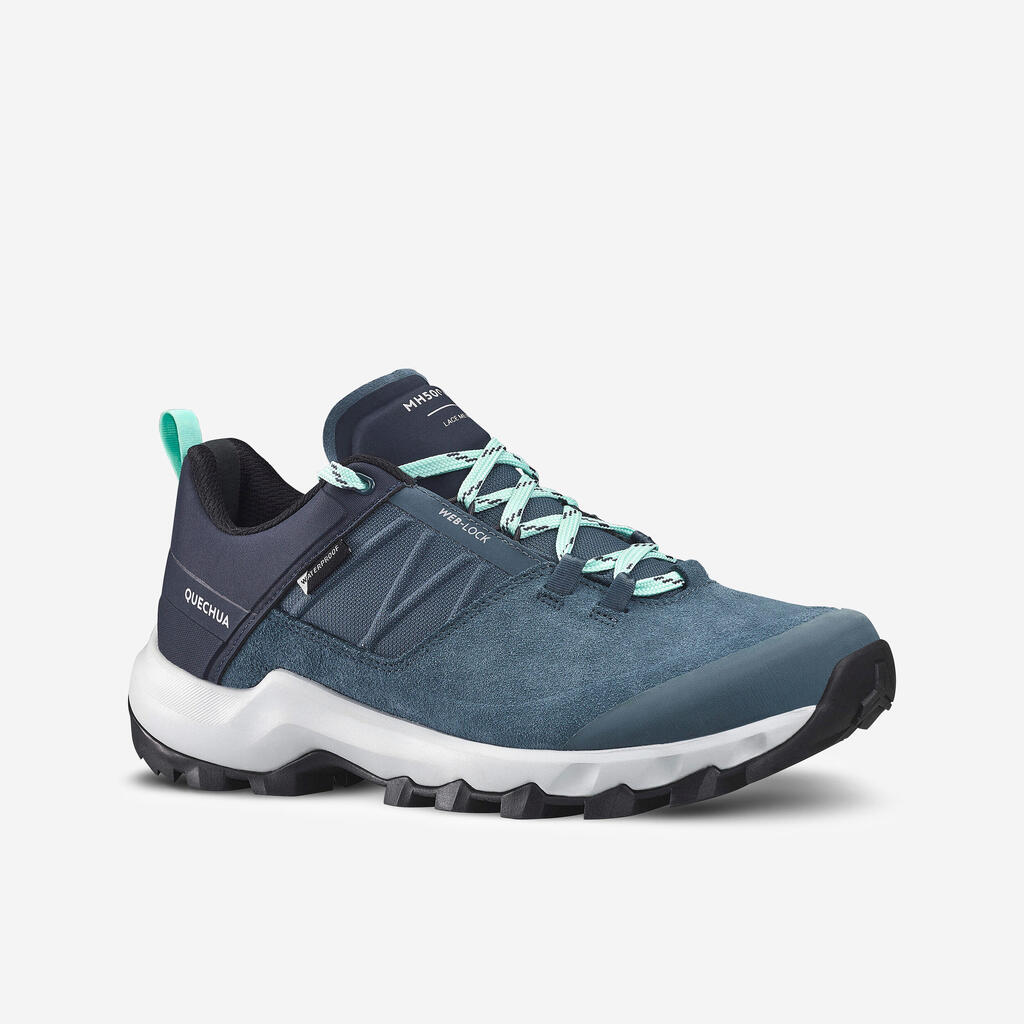
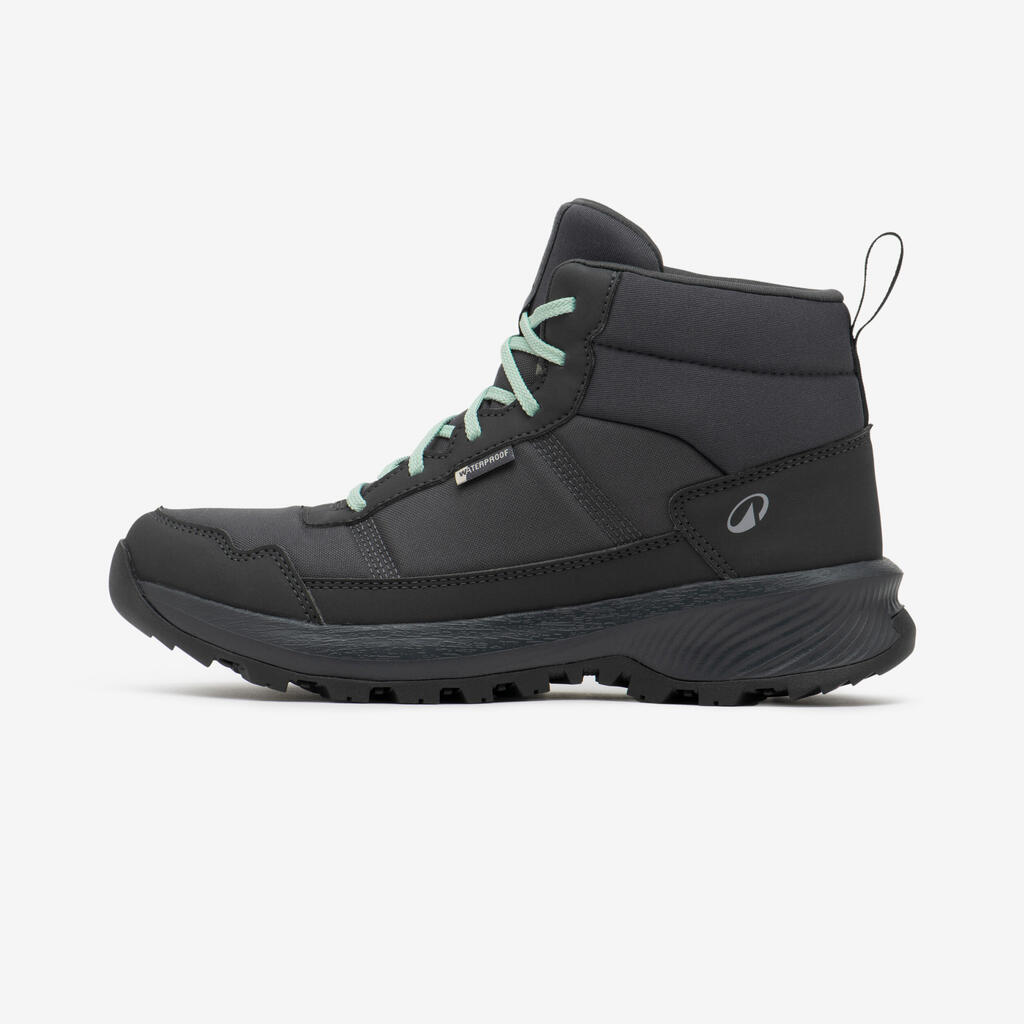
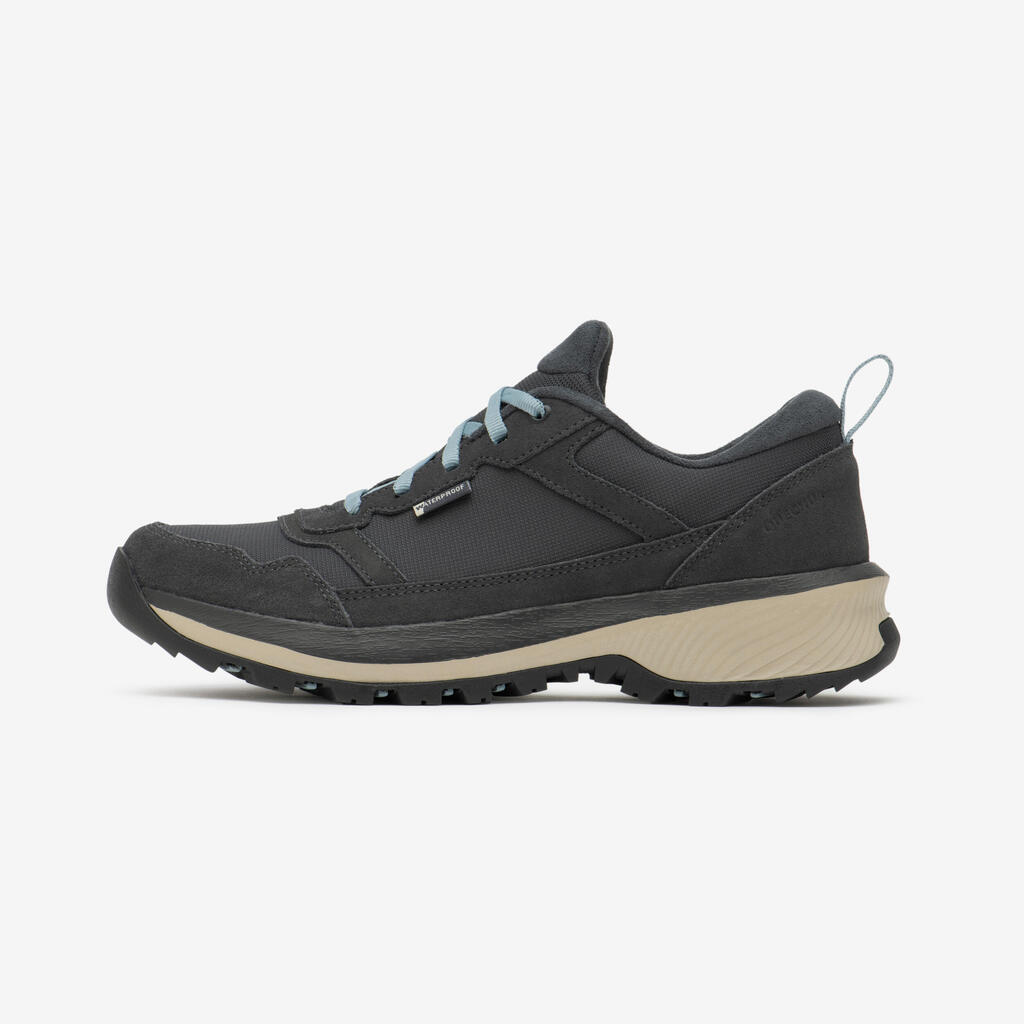
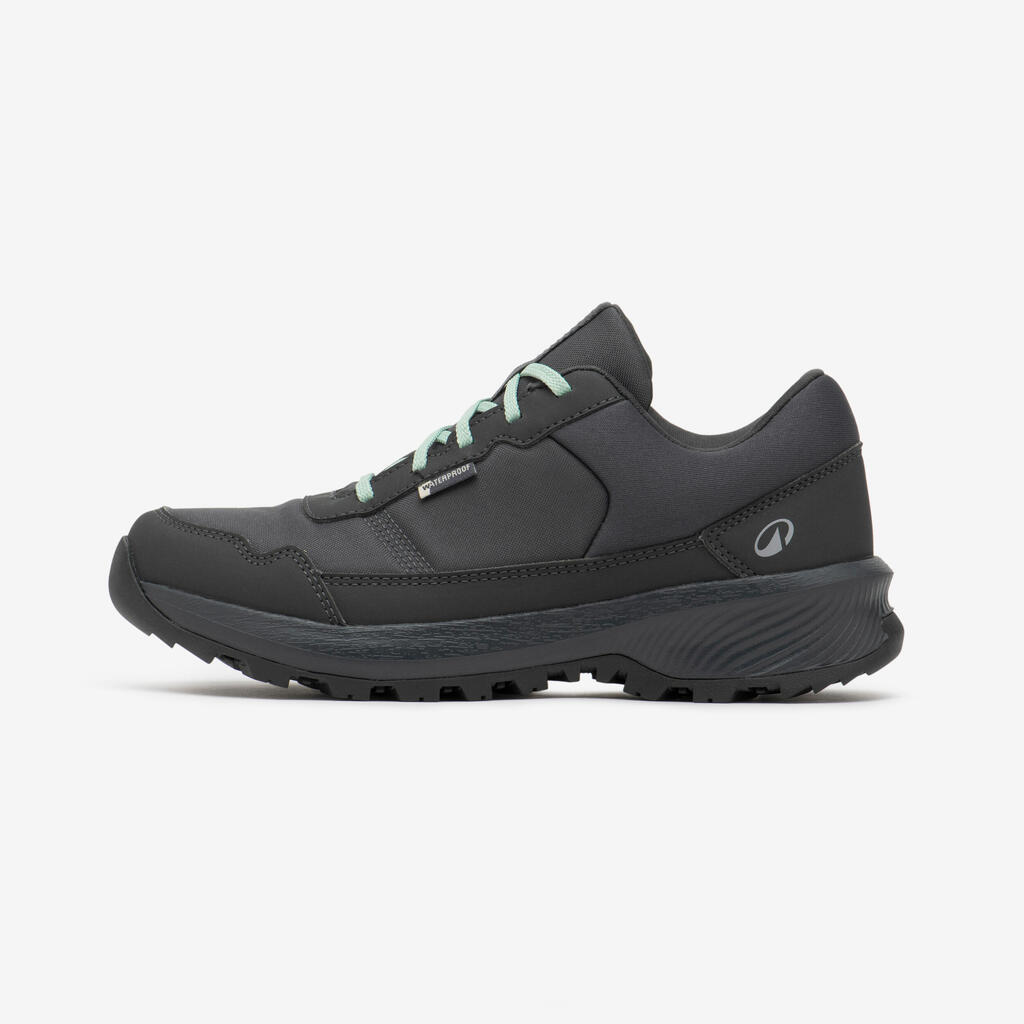
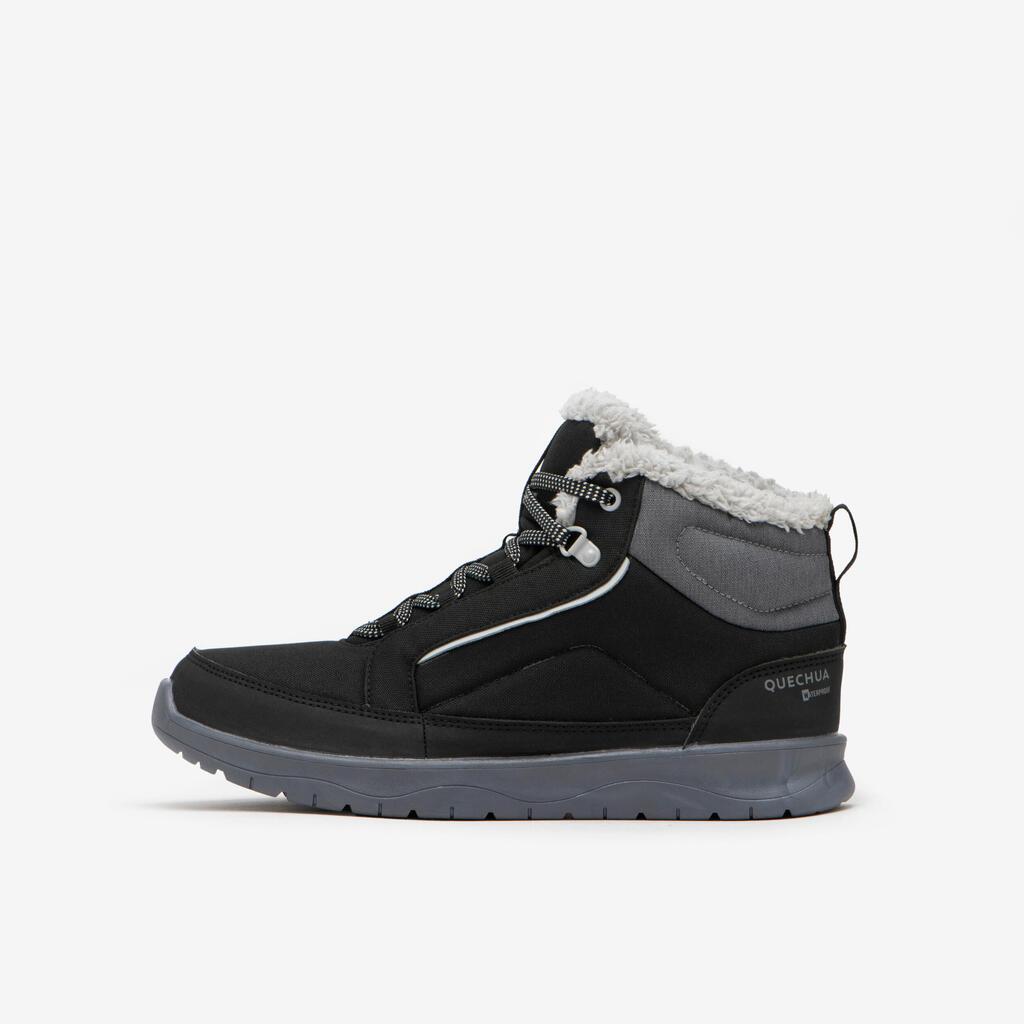
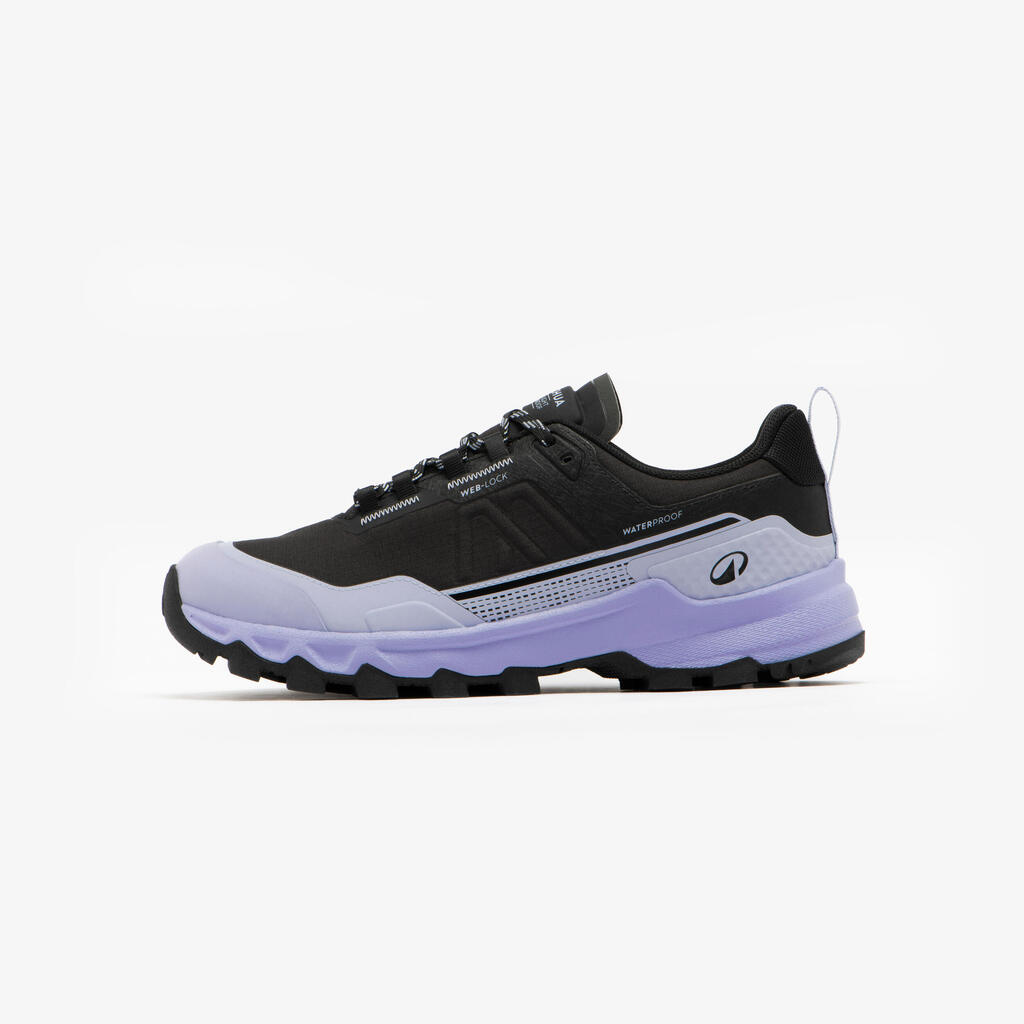
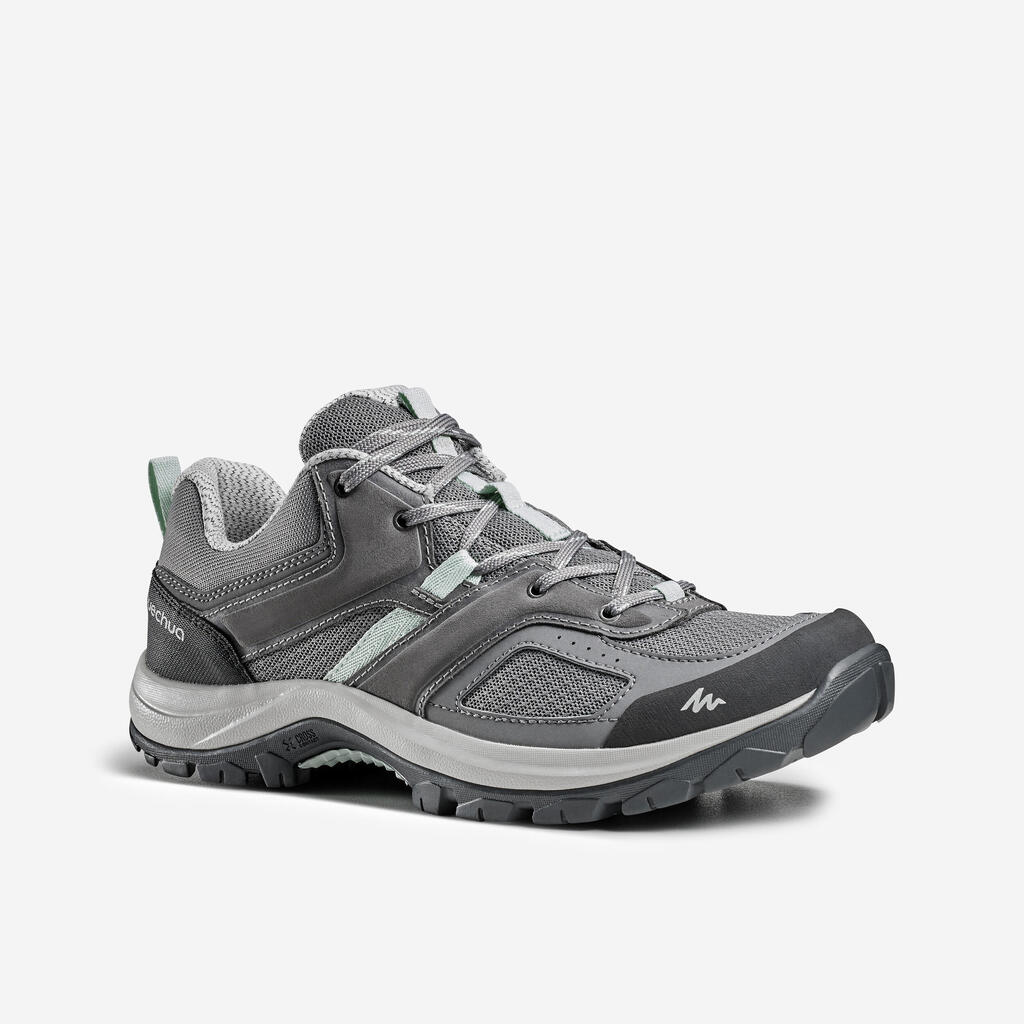
Our hiker designers created these eco-friendly NH150 shoes for your occasional walks in the lowlands or forests, in dry weather.

BENEFITS

Cushioning

EVA midsole | Thickness means you feel the stones less

Grip

The sole composition & design optimises grip and traction | 4mm studs

Eco-design

Benefits from an eco-design approach (26% of the shoe's weight)

Fitting comfort

Shape and material that frees up the front of the foot | Removable 5mm sockliner

Breathability

Mesh upper allowing the top of the foot to breath | PU breathable sole

Traction

The sole design and 4mm studs help protect you from mud

Impact protection

Synthetic toe bumper at the front of the foot to protect you from stones

Lightweight

Weight of one boot in size 6.5: 255 g | The lightest in the range

TECHNICAL INFORMATIONS

Grippy soles on natural footpaths

The sole’s design is the result of extensive research carried out in our labs. We favoured a specific rubber formula which optimises grip and resistance. Since requirements differ, we systematically seek the best compromise for hiking on off-road trails with loose ground, such as forest trails.

Designed for use on country trails

Our walking shoes are designed for use on off-road trails. Indeed, we choose the components of the sole and upper of our boots and test them to ensure that they are ideally suited to walking on loose trails (e.g. unpaved forest paths) or rocky trails (e.g. rocky coastal paths). Road use (tarmac) may lead to premature wear on your shoes and cause discomfort. They are not suitable for mountain walking.

To reduce our environmental impact

We have used more environmentally friendly components: - Upper, tongue and collar, laces and loops, lining of the insole: 100% recycled polyester
- Reinforced panels: 24% recycled polyester
- Outsole: 30% recycled rubber
These actions represent 26% of the weight of the shoe.
The use of recycled materials helps to reduce the depletion of resources by recycling end-of-life materials. Technical use and quality are guaranteed.

Laboratory tested

Laboratory tests were also conducted to test the following elements: tearing eyelets and straps, gluing, toxicology, UV resistance, abrasion resistance of outsole and upper components, accelerated ageing.These tests allow us to improve the quality of our products and prevent premature wear of our hiking shoes.

How to choose the size of my walking boots?

Try both boots on, standing up, wearing the socks you use for hiking. Try on several models or sizes if necessary. Check two comfort points:
- the heel seating
- the front of the foot on a downward slope
Avoid any pressure points when fitting. Feel free to walk around the store. Gradually start using you shoes during your first few hiking trips to break them in.

How to choose the size of my walking socks?

You need to choose the correct sock size for your feet to avoid any extra folds forming. These folds may form because the sock is too big and therefore there is too much material around your foot, or because the sock so small and is pulled towards the inside of your foot.

The shoe/sock combination plays an important role

There are multiple factors which may cause blisters when you are walking: rubbing, a crease in the sock, moisture, a boot size that is too small or too big, etc. It is therefore important to choose the right size and to have socks made of the right material for your walking boots.

How to choose the fabric of my walking socks

Moisture must be effectively managed when walking: we perspire, it’s bound to happen. This shoe model is breathable: the NH150 shoe will wick away the moisture caused by your perspiration. It is therefore necessary to choose a light and breathable sock as well.

What socks should you wear with the NH150 boot?

Preferably use the NH100 Mid socks: they contain moisture-absorbing cotton and have a reverse terry-knit construction under the sock that wicks moisture away from your foot. They are also high enough to protect your ankles from the boots. This is an excellent combination for minimising the likelihood of blisters.

Warranty

Our hiking boots are guaranteed for 2 years.
Our commitment? To offer you long-lasting products that you can use on all your country hikes and walks. Because the products that we love the most are those that have lived the most adventures and will continue to live them!